
Fast computers are more enjoyable to use, and SSD read speed plays a big role in that experience. Read speed affects how quickly your system starts, how fast apps open, and how smooth everyday tasks feel. Some speed numbers matter a lot — others don't make much difference in real use.
What Is SSD Read Speed
SSD read speed is how fast a solid-state drive can access stored data and deliver it to your system. It directly affects how quickly files open, programs launch, and operating systems load.
Higher SSD read speed makes a computer feel more responsive. Lower read speed can slow down even simple tasks like opening folders or switching between apps.
Sequential vs Random SSD Read Speed
Sequential read speed measures how fast large files are read in order. Random read speed measures how quickly many small files are accessed from different locations.
| SSD Read Type | What It Measures | Why It Matters |
|---|---|---|
| Sequential Read Speed | Large files read in order | File transfers and media loading |
| Random Read Speed | Small files read from many locations | Boot time and app launching |
For everyday use, random SSD read speed usually matters more than the highest sequential number.
SSD Read Speed vs Write Speed
SSD read speed controls how fast data is opened. Write speed controls how fast data is saved. Most daily computer tasks rely more on read speed than write speed — booting, loading apps, and browsing files all depend heavily on reading data rather than writing it.
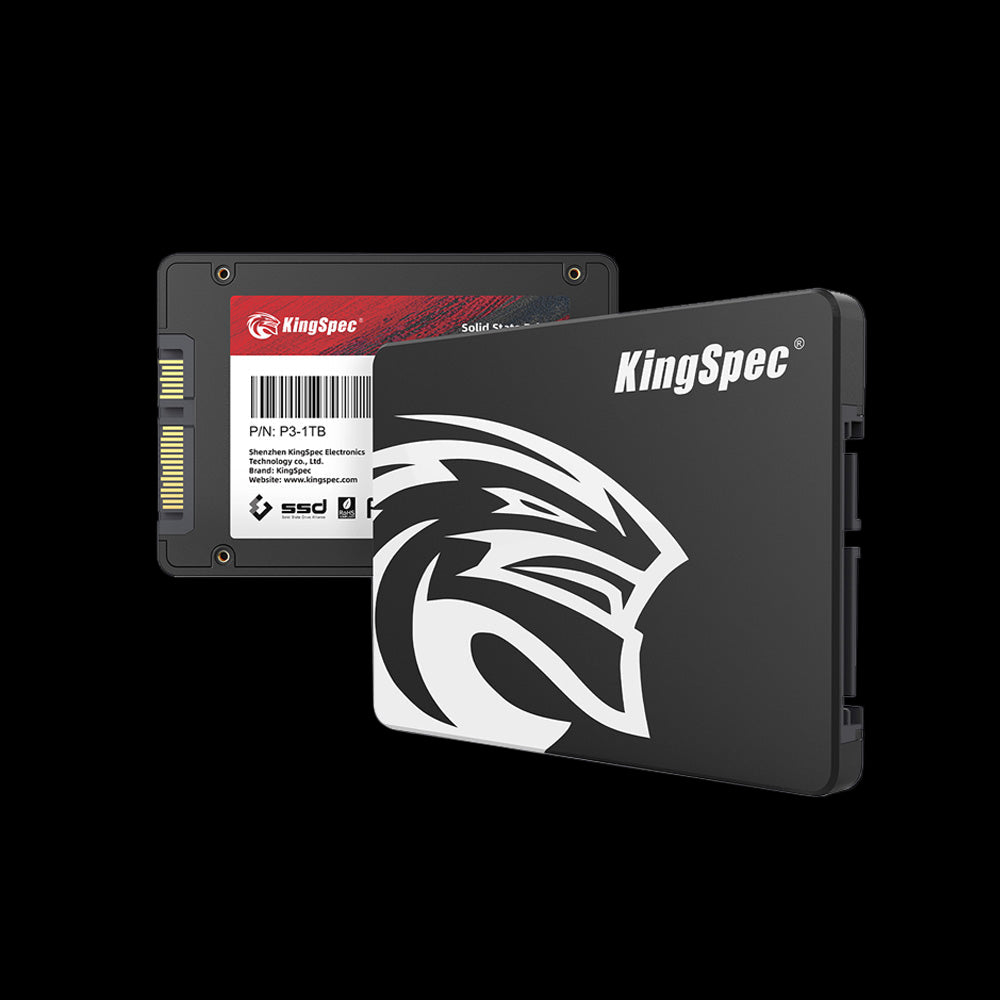
Discover High-Performance Storage & Memory by Kingspec
Explore Kingspec

What Is a Good SSD Read Speed?
A good SSD read speed depends on the type of SSD and how the computer is used. Everyday tasks do not require extreme speeds to feel fast.
| SSD Type | Typical SSD Read Speed | Best Use Case |
|---|---|---|
| SATA SSD | 500 – 600 MB/s | Daily tasks and office work |
| NVMe PCIe Gen 3 | 2,000 – 3,500 MB/s | Gaming and multitasking |
| NVMe PCIe Gen 4 | 5,000 – 7,000 MB/s | Heavy workloads and fast systems |
For most users, any SSD that keeps apps opening instantly already meets the definition of good.
Which Type of SSD Has the Fastest Read Speed
SSD read speed is strongly influenced by the connection type. Newer connections allow data to move much faster. NVMe SSDs use a faster interface than SATA SSDs, and within NVMe drives, newer PCIe generations deliver the highest read speed available today.
| Feature | SATA SSD | NVMe SSD |
|---|---|---|
| Maximum Read Speed | Limited | Much higher |
| System Responsiveness | Good | Excellent |
| Best For | Basic systems | Performance systems |
How SSD Read Speed Affects Real World Performance
SSD read speed affects how quickly your system responds to everyday actions. Faster reads mean less waiting and smoother transitions.
| Task | Impact of SSD Read Speed |
|---|---|
| System boot | Very high |
| App loading | Very high |
| File browsing | High |
| Gaming load screens | Moderate to high |
Once read speeds reach a certain level, improvements become harder to notice for simple tasks.
Real vs Advertised SSD Read Speed
Advertised SSD read speed is measured under ideal test conditions. Real-world results are often lower and more variable. Drive fullness, temperature, and file type all affect actual performance. These differences are normal and expected.
How to Check SSD Read Speed
Checking SSD read speed helps confirm whether your drive is performing properly and helps identify system limits. Speed testing tools usually display multiple results — pay attention to consistent performance rather than one high peak number.
How to Improve SSD Read Speed
Improving SSD read speed often involves system optimization rather than replacing hardware. Simple steps can help maintain peak performance.
| Method | How It Helps SSD Read Speed |
|---|---|
| Keep free space available | Prevents slowdowns |
| Update firmware | Improves stability |
| Avoid overheating | Maintains speed |
| Use correct system settings | Prevents bottlenecks |
Upgrading to a modern NVMe SSD can also provide a noticeable boost. Storage options such as Kingspec internal and external SSD solutions are designed to deliver stable read speeds for everyday and performance use.
Does SSD Read Speed Affect Lifespan
SSD read speed does not shorten the lifespan of a drive. Reading data causes minimal wear. SSD longevity is influenced mostly by write activity — normal read usage has little impact on long-term durability.
Common Myths About SSD Read Speed
One common myth is that higher SSD read speed always means better performance. Past a certain point, most users will not notice a difference.
Another myth is that SSD read speed drops quickly over time. With proper usage, read performance remains consistent for years.
SSD Read Speed Buying Tips
Choosing the right SSD read speed depends on how you use your computer. Buying the fastest option is not always necessary.
| User Type | Recommended SSD Read Speed |
|---|---|
| Casual user | SATA or entry NVMe |
| Gamer | NVMe with strong random reads |
| Power user | High-speed NVMe |
Matching SSD read speed to real needs saves money and avoids wasted performance.
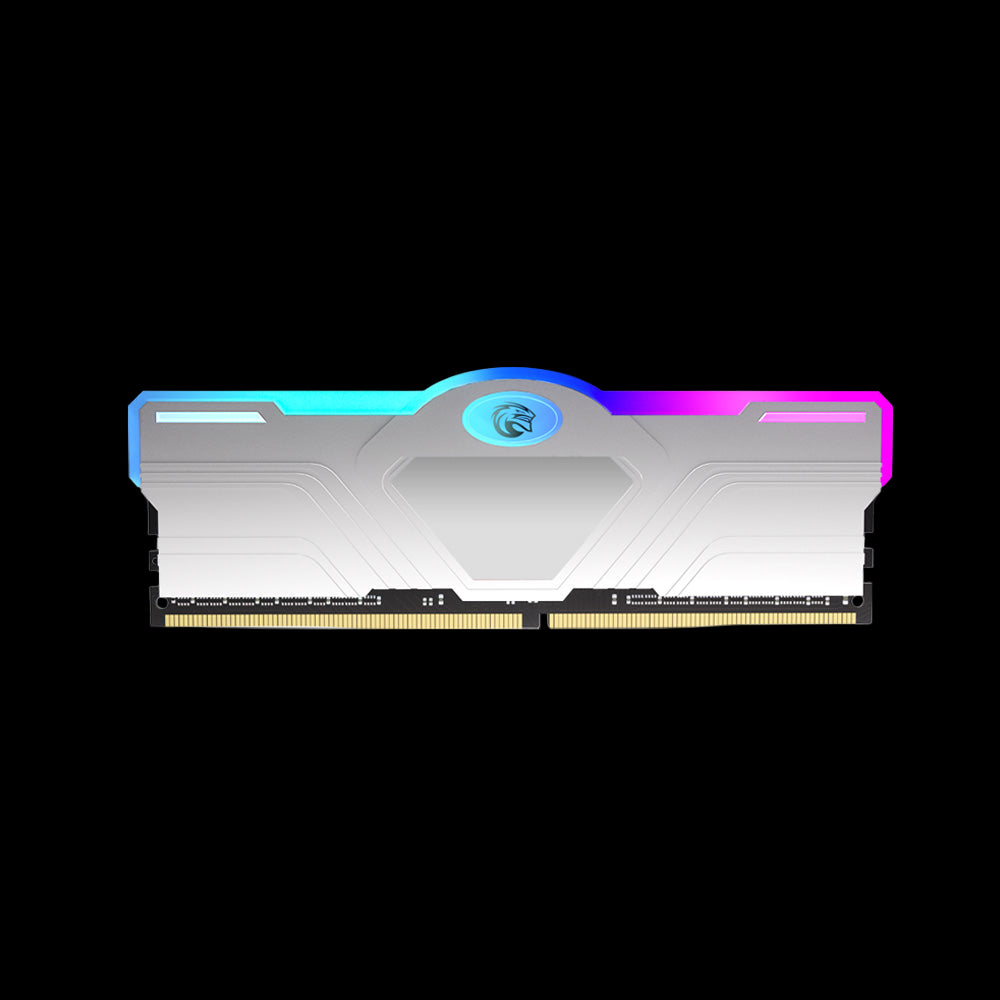
Discover High-Performance Storage & Memory by Kingspec
Explore Kingspec

Conclusion
SSD read speed has a major impact on how fast and smooth a computer feels during daily use. Understanding realistic speed needs helps avoid overpaying for unnecessary performance.
For more helpful guides, storage tips, and ideas for recreational tech activities, Kingspec provides useful resources.
Kingspec also offers dependable products such as memory cards, gaming storage, internal storage, external storage, SSDs, DDR RAM, and more to support reliable and fast computing.
Frequently Asked Questions About SSD Read Speed
Is 1000 Mbps good for SSD read speed?
1000 Mbps equals about 125 MB per second, which is slow for modern SSDs. Most SSDs today deliver much higher read speeds. This level is more common in older storage technologies.
Can SSD read speed decrease over time?
SSD read speed usually stays consistent over time. Performance may drop if the drive is nearly full or overheats. Keeping the system clean helps maintain speed.
Does motherboard affect SSD read speed?
Yes, motherboard support can limit SSD read speed. Older systems may not support faster interfaces. Compatibility plays a major role in performance.
Is external SSD read speed slower than internal SSD?
External SSD read speed is often lower due to connection limits. Some modern connections can get close to internal speeds. Internal SSDs usually offer the best performance.

